
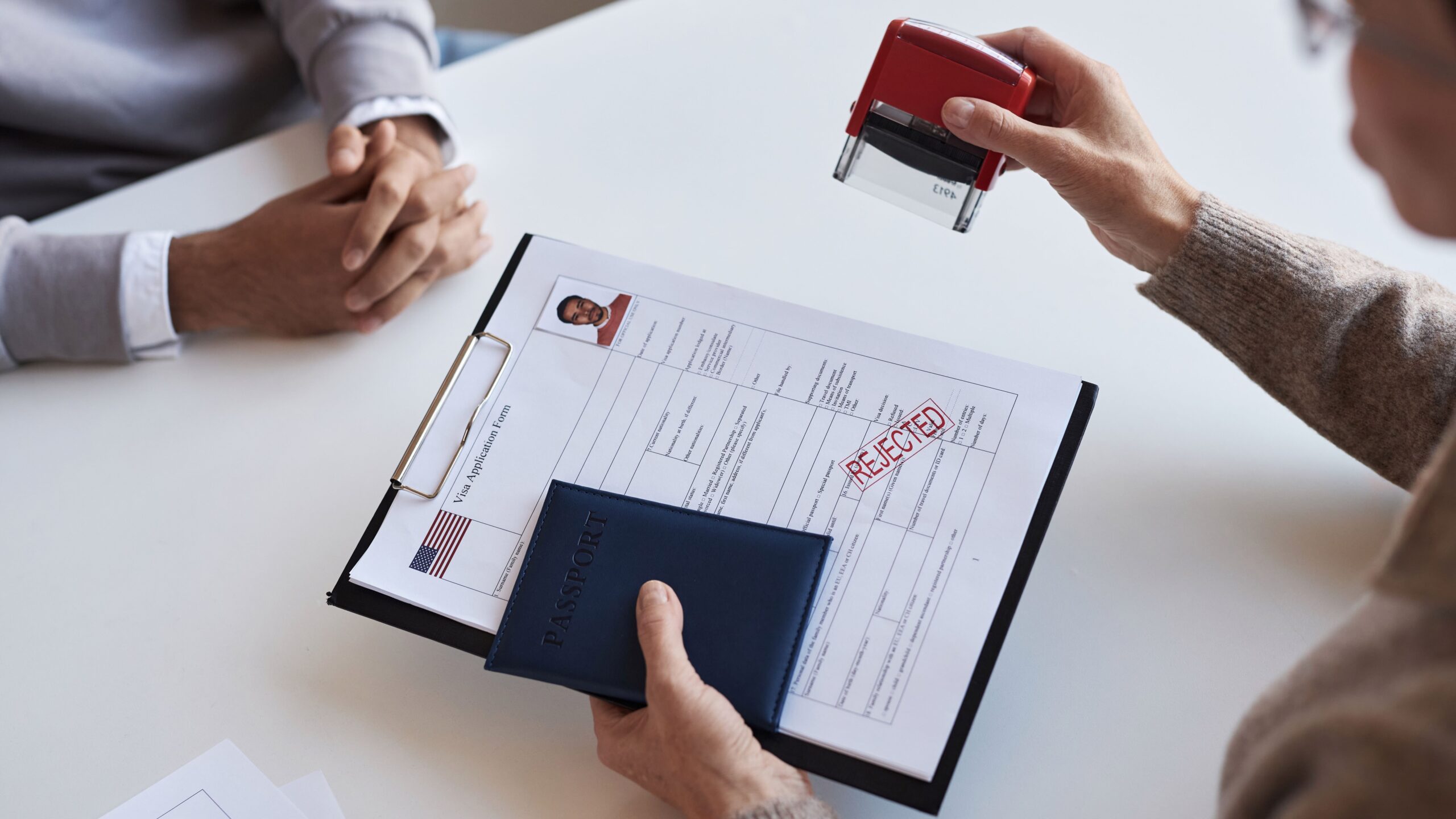
Participating in the Diversity Visa (DV) Lottery can be thrilling. The dream of living in the United States, pursuing career opportunities, or studying abroad is enticing. But what happens when your DV lottery interview ends in refusal? Many applicants are puzzled and frustrated when this happens. Understanding the reasons for refusal is crucial if you want to avoid pitfalls and increase your chances of approval. In this article, we’ll dive deep into the most common reasons DV Lottery applicants are denied, along with tips on how to avoid these issues.
Understanding the DV Lottery Interview Process
The DV Lottery interview is a critical step in the journey toward obtaining a U.S. Green Card. It’s more than just a routine meeting; it’s a thorough evaluation designed to ensure that every applicant meets the strict eligibility requirements of the Diversity Visa Program. Applicants are assessed on multiple fronts, and the interview acts as the final checkpoint before a visa is granted. Essentially, this is where your preparation, documentation, and honesty come together to determine whether your dream of moving to the U.S. becomes a reality.
During the interview, the consular officer meticulously examines your personal documents. This includes your birth certificate, passport, marriage certificate if applicable, and any other civil records required by the U.S. authorities. The purpose is to confirm your identity, family relationships, and nationality. Even minor errors or missing documents can raise red flags, making it essential that all paperwork is complete, accurate, and properly certified or translated where necessary. The consular officer uses this information to verify that your application aligns with official records and that you meet the formal documentation standards.
Another key aspect of the DV interview is evaluating your eligibility based on education and work experience. Applicants must have at least a high school education or its equivalent, or two years of work experience in a qualifying occupation. The officer carefully checks the certificates, diplomas, and employment letters you provide to ensure they are valid and meet the program’s criteria. This process can sometimes uncover discrepancies, such as incorrect job titles, mismatched dates, or insufficient proof of qualifications, which may lead to further questioning or even refusal if not addressed properly.
Finally, the interview also assesses admissibility, which includes criminal history, health conditions, and potential security risks. The officer reviews police certificates, medical exam reports, and other background checks to determine whether you might pose a risk to the United States. Certain health conditions or legal issues can be grounds for denial, making it crucial for applicants to be fully transparent. In essence, the DV Lottery interview is a multi-layered screening designed to verify identity, eligibility, and admissibility, and understanding this process thoroughly can help applicants approach it with confidence and preparation.
Incomplete or Incorrect Documentation
One of the leading reasons DV Lottery applicants are refused is incomplete or incorrect documentation. Think of it like arriving for a critical job interview without your resume—no matter how qualified you are, missing papers can derail the process immediately. Consular officers rely heavily on your documents to verify your identity, family relationships, education, work experience, and other eligibility criteria. If anything is missing, outdated, or improperly prepared, it raises doubts and can result in denial.
- Birth Certificates – Ensure you have an official, government-issued birth certificate for yourself. For minors or dependents, provide their birth certificates as well. Avoid photocopies that aren’t notarized.
- Marriage Certificates – If you are married, a valid marriage certificate is required. Ensure it is properly translated if not in English and officially certified.
- Passports – Your passport must be valid and up to date. Expired or nearly expired passports can lead to immediate refusal. Double-check that your name, date of birth, and other details match your DS-260 form exactly.
- Educational Documents – Provide diplomas, certificates, and transcripts to prove you meet the minimum educational requirement. Make sure translations are accurate and notarized if the original document isn’t in English.
- Work Experience Proof – Include employment letters detailing your role, responsibilities, and dates of employment. Letters should be on official company letterhead and signed by authorized personnel.
- Police Certificates – All applicants must submit police clearance certificates from countries where they have lived for six months or more. Ensure the certificates are recent and properly authenticated.
- Medical Exam Reports – Completed by an authorized panel physician, these reports are essential. Bring the original copies and ensure all vaccinations and health checks are documented.
- Civil Documents for Children – If you are including children in your application, ensure their birth certificates, passports, and any adoption papers are complete and accurate.
- Translations and Notarizations – Any document not in English must be translated by a certified translator. Include a notarized statement confirming the accuracy of the translation.
- Previous Name or Identity Proof – If your name has changed due to marriage, divorce, or other legal reasons, include court orders or other legal documents proving the change.
- Copies of All Documents – Keep at least one set of organized copies for yourself. Officers may request to keep originals, and having a backup ensures you are prepared for any unforeseen issues.
- DS-260 Confirmation – Always bring a printed copy of your DS-260 confirmation page. This form summarizes the information used to generate your interview schedule.
- Additional Supporting Documents – Depending on your personal circumstances, you may need adoption papers, divorce decrees, or other civil records. Ensure they are accurate, certified, and in order.
Failure to Meet Education or Work Experience Requirements
| Requirement Type | What Officers Check | Common Issues | Tips to Ensure Compliance | Supporting Documents |
| High School Education | Validity of diploma or equivalent | Fake certificates, missing transcripts, wrong dates | Verify authenticity with issuing institution | School diplomas, transcripts, official translations |
| Work Experience | Job role, responsibilities, and duration | Vague job titles, undocumented employment, overlapping dates | Collect official employment letters with details | Employer letters, reference letters, payslips if available |
| Qualifying Occupation | Must match the DV program list of eligible professions | Unrecognized or non-qualifying jobs | Ensure your occupation is listed; clarify role specifics | Work certificates, job descriptions, professional licenses |
| Documentation Accuracy | Matching DS-260 entries and original documents | Inconsistent dates, names, or job titles | Double-check all entries before submission | DS-260 confirmation, notarized translations, supporting letters |
| Professional Licenses (if applicable) | Verification of certifications and licenses | Expired, unrecognized, or incomplete licenses | Renew licenses and provide certification details | Official licenses, registration numbers, certificates |
Criminal Record or Security Concerns
Having a criminal record or any security-related issue can significantly impact your DV Lottery application. Even minor offenses may raise red flags during the consular interview, as U.S. immigration law is strict about who can enter the country. The consular officer’s primary responsibility is to ensure that applicants do not pose a threat to public safety or national security. Therefore, any past legal issues—whether recent or from years ago—are carefully scrutinized and can be grounds for refusal.
Drug-related offenses are among the most common reasons for denial. This includes possession, trafficking, or distribution of illegal substances. Even small-scale offenses that might seem minor in your home country can carry serious consequences under U.S. immigration law. Additionally, crimes involving moral turpitude, such as fraud, theft, or embezzlement, can also disqualify an applicant. The definition of moral turpitude is broad, so it’s important to understand that not only violent crimes but also offenses involving dishonesty or deception may be considered.
Serious violent crimes, including assault, homicide, or sexual offenses, are automatically grounds for refusal. U.S. immigration law treats these offenses with the utmost severity, and applicants with such backgrounds face significant barriers. It’s important to recognize that even if charges were dropped or convictions were expunged in your home country, consular officers may still review your history as part of their background checks. This ensures the safety of communities and upholds the integrity of the immigration system.
Mitigation strategies exist for those with past convictions, but they require careful planning. Consulting an experienced immigration lawyer can help you navigate the complexities of U.S. law, identify potential waivers, and prepare necessary documentation. Gathering court records, proof of rehabilitation, and letters of character reference can strengthen your case. While having a criminal record does not always mean automatic refusal, transparency, preparation, and legal guidance are essential to improve your chances of a successful DV Lottery interview.
Inadmissibility Due to Health Reasons
Health is a critical factor in the DV Lottery application process. The U.S. government requires all applicants to undergo a thorough medical examination to ensure they do not pose a public health risk. Applicants with certain health conditions, especially communicable diseases, or those who have not received required vaccinations, may be deemed inadmissible. Being proactive and fully prepared with medical documentation can make the difference between approval and refusal.
- Medical Examination Requirement – All DV Lottery applicants must complete a medical exam conducted by a certified panel physician approved by the U.S. embassy or consulate.
- Communicable Diseases – Applicants with active tuberculosis (TB) or other contagious illnesses can be refused entry until treatment is completed and clearance is provided.
- HIV and Other Serious Conditions – While HIV is rarely an automatic barrier for DV applicants, certain visa types may have restrictions. Other serious or untreated conditions can also affect admissibility.
- Vaccinations – Missing mandatory vaccinations such as measles, mumps, rubella, polio, or hepatitis can result in denial. It is essential to carry official vaccination records.
- Chronic Illnesses – While most chronic conditions are not disqualifying, they must be documented properly to avoid concerns about your ability to maintain health while in the U.S.
- Mental Health Assessments – Severe mental health conditions that may pose a danger to yourself or others are reviewed carefully. Documentation from a certified health professional is required.
- Prescription Medications – Bring all prescriptions with proper documentation, as some medications may need verification or explanation during the medical exam.
- Addressing Health Concerns Early – Consult with your doctor before your appointment to ensure all tests are completed and any treatable conditions are addressed in advance.
- Documentation Organization – Keep all medical records, lab reports, and vaccination certificates organized and easily accessible for the consular officer.
- Panel Physician Selection – Only use physicians approved by the U.S. embassy, as reports from other doctors will not be accepted.
- Follow-Up Treatments – If treatment is required, complete it fully before your interview to avoid delays or denial.
- Travel Health Considerations – Inform the physician of recent travel or potential exposure to infectious diseases to ensure accurate testing and documentation.
- Transparency During the Exam – Be honest and thorough when answering questions about past or current health issues; withholding information can lead to refusal.
- Preparing Children and Dependents – Ensure all minors included in your application also meet health requirements, including vaccinations and medical exams.
- Emergency Health Documentation – Bring any relevant documentation regarding past surgeries, hospitalizations, or long-term treatment plans to provide full transparency.
Misrepresentation or Fraud
| Type of Misrepresentation | What Officers Check | Potential Consequences | How to Avoid Mistakes | Supporting Documentation |
| Falsifying Educational Certificates | Verify school diplomas, transcripts, and equivalency | Immediate refusal, potential permanent ineligibility | Always submit genuine, verifiable certificates | Official diplomas, transcripts, notarized translations |
| Incorrect Employment History | Confirm job titles, responsibilities, and employment dates | Denial due to inconsistency or fraud suspicion | Provide accurate employment letters with correct dates | Employer reference letters, work contracts, payslips |
| Concealing Criminal History | Check police certificates, prior convictions, and legal records | Visa denial, barred entry, or permanent ineligibility | Fully disclose any past convictions or charges | Court documents, rehabilitation proof, character references |
| Exaggerating Qualifications | Cross-check skills, licenses, and job experience | Suspicion of fraud and refusal | Describe roles and experience truthfully and accurately | Professional licenses, certifications, work samples |
| Omitting Important Personal Information | Review DS-260 and other submitted forms for gaps | Delays, additional scrutiny, or outright denial | Double-check all forms for completeness and honesty | DS-260 confirmation, supporting civil documents |
| Inconsistent Name or Identity Info | Verify names on all documents against official records | Confusion, refusal, or administrative processing delays | Ensure all documents have consistent names and spelling | Passport, birth certificate, marriage certificate, court orders |
| False Claims About Dependents | Check dependents’ birth certificates and eligibility | Derivative visa refusal, potential application revocation | List only eligible family members accurately | Birth certificates, adoption papers, marriage certificates |
| Misrepresentation About Health | Review medical exam and vaccination records | Refusal for health-related fraud suspicion | Be honest about medical history and vaccinations | Medical exam reports, vaccination certificates |
Financial Ineligibility
Financial stability is a crucial factor in the DV Lottery process. While the program does not require applicants to be wealthy, the U.S. government wants assurance that new immigrants will not become a public burden. This means demonstrating that you have enough resources to support yourself and any dependents once you arrive in the United States. Failing to provide evidence of financial stability can lead to refusal during the interview, even if all other eligibility criteria are met.
Consular officers carefully review proof of funds to ensure applicants can sustain themselves. Bank statements, employment letters, or other financial records are commonly requested. Officers look for consistency and legitimacy in your documents, verifying that the funds are accessible and sufficient to cover living expenses for at least the first few months in the U.S. They may also require an Affidavit of Support if a family member or sponsor is providing assistance, ensuring that there is a clear safety net in place.
Evidence of support from family members or sponsors is also considered during the interview. If you have a relative in the U.S. willing to assist you financially, their documentation must clearly outline the support arrangement. This can include a formal letter, bank statements, and proof of relationship. Providing these documents upfront demonstrates transparency and builds trust with the consular officer, reducing the likelihood of refusal.
To strengthen your financial case, it is advisable to prepare a simple budget showing your expected monthly expenses and available funds. Keep all financial documents organized and easy to present during the interview. Being prepared not only shows responsibility but also signals to the officer that you have carefully planned your transition to life in the United States. Clear, well-documented evidence of financial stability can make a significant difference in the outcome of your DV Lottery interview.